Monday 9th March, 16:30 – 17:30, M5
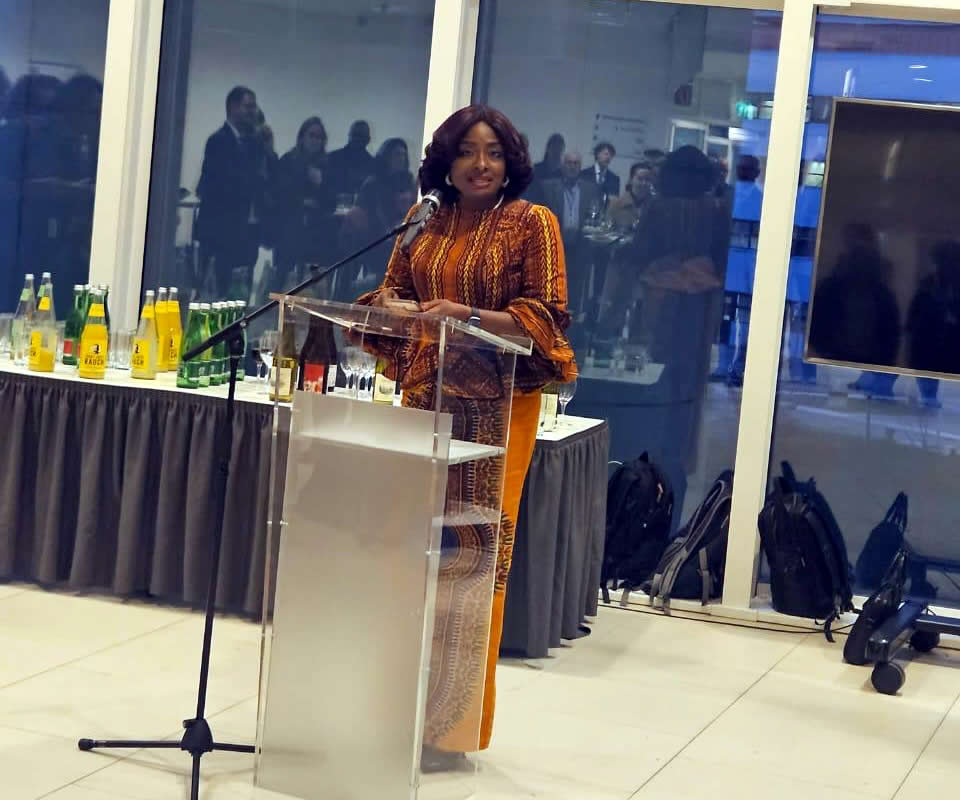
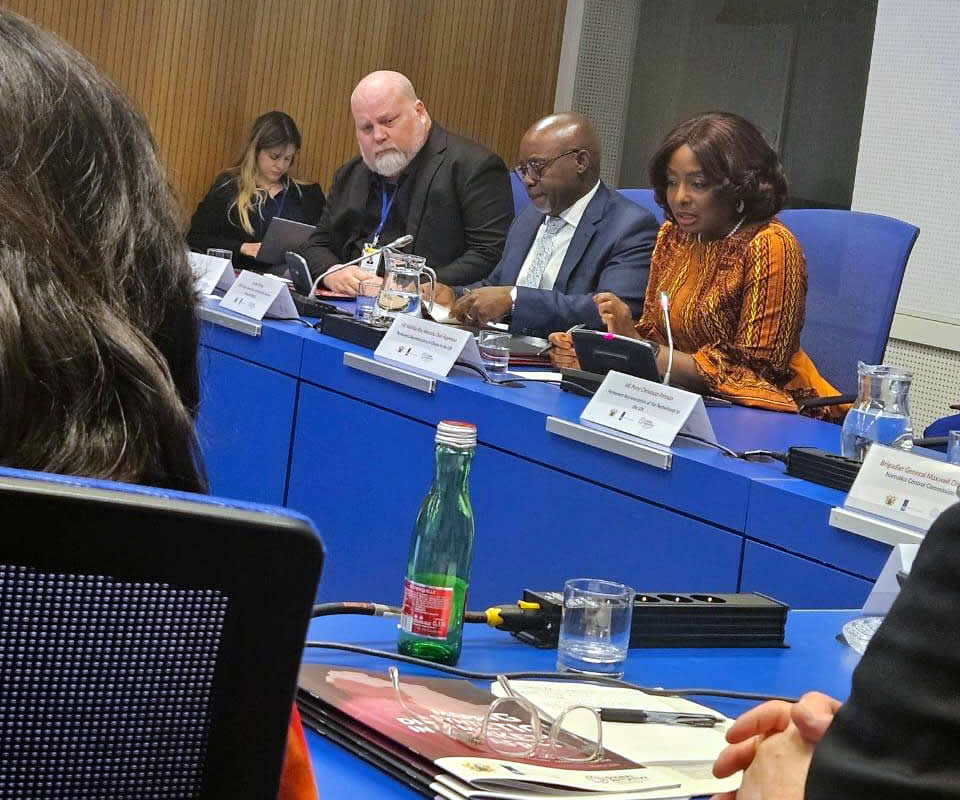
Opening remarks by Chair, H.E. Matilda Aku Osei-Agyeman, Ambassador and Permanent
Representative of Ghana to the United Nations Organizations in Vienna
Excellency Peter Christiaan POTMAN, Ambassador and Permanent Representative of the Kingdom of the Netherlands
Ms. Lucia Bird, Director of West Africa Observatory (GI-TOC)
Brigadier General Maxwell Obuba Mantey, Narcotics Control Commission (NACOC)
Mr. Justice Tettey, Chief, Drugs, Laboratory and Scientific Services Branch
Dr Olubusayo Akinola, Head of Social Welfare, African Union
Dear Participants,
You’re welcome to this side event which is opportune bearing in mind our shared goals and responsibilities to address a pressing need in the trajectory of the drug markets.
In November 2025, Ghana hosted a High-Level Dialogue on “Mapping the Future of Drug Markets in West Africa: Synthetics, Cocaine, Criminal Money and Strategic Responses.” Thanks to the Government of the Netherlands and the Global Initiative Against Transnational Organised Crime (GiTOC).
As we know, the challenge of drug markets in West Africa has escalated in recent years, with profound implications for public health, security, and development as well as human rights. The implications of the disturbing trends fuel organized crime, corruption, arms flows, and violence.
This is not just a regional issue – it is a global concern that demands coordinated, cohesive, and comprehensive action. Therefore, it is imperative that all sectors are on board to facilitate effective outcomes. From governments, to civil society, public health experts, law enforcement and security forces, customs and border services, drug commissions, academia and the media, and especially the communities that are most affected, particularly people who use drugs (PWUD).
This is why the collaboration between Ghana, the Netherlands and GiTOC is formidable.
We must explore how to strengthen responses by addressing root causes of drug use and dependence, expanding access to evidence-based treatment and public health services, improving law enforcement strategies and intelligence-sharing at the regional level.
At the same time, we must ensure that these efforts are balanced, human-rights compliant and grounded in international cooperation.
In November, Ministers and representatives had concerns about the escalating challenges posed by illicit drug markets in West Africa, particularly the growing prevalence of synthetic drugs and cocaine trafficking, and their far-reaching health, social, security, human rights and governance implications. These challenges include serious harm to public health, especially among youth, the erosion of public institutions, the expansion of illicit financial flows, and the entrenchment of transnational organised criminal networks.
The global cocaine trade with its international trafficking routes from Latin America to West Africa and towards Europe paints a grim picture. Unfortunately, West Africa’s strategic position has made our region an increasingly attractive transit corridor.
In response, we must adopt a clear set of regional priorities.
First, we must strengthen intelligence sharing mechanisms. Real-time operational exchanges among West African states are essential, and cooperation between law enforcement, customs, and port authorities must be reinforced.
Second, we need to build stronger forensic and laboratory capacity. Our scientific systems must be able to detect synthetic opioids, identify emerging new psychoactive substances, and analyse adulterated drug mixtures. Frontline officers must also have access to rapid drug identification tools.
Third, we must disrupt the financial foundations of drug trafficking. Anti-money laundering measures need to be prioritized, and asset tracing, freezing, and recovery instruments must be strengthened across the region.
Fourth, we must protect our youth. Prevention programmes, early interventions, and school-based awareness initiatives must be scaled up. Treatment and rehabilitation services must be accessible, evidence-based, and grounded in a public-health and human-rights approach.
Therefore, at the conclusion of the November 2025 session in Accra, a Call to Action on Drug Markets in West Africa was adopted which highlights the importance of science-based evidence, open and inclusive research environments, and multi-sectoral cooperation among governments, regional and international organisations, civil society, academia, service providers and affected communities.
The conference undertook to strengthen cooperation to:
- Reduce drug-related harms and protect communities, particularly youth and marginalized groups
- Promote evidence-based prevention, treatment and reintegration approaches grounded in public health and human rights
- Enhance information-sharing, early warning systems and the exchange of best practices
- Disrupt transnational illicit drug markets through responses anchored in the rule of law, and
- Support regional and international mechanisms addressing drug market challenges.
Ladies and gentlemen,
We have a clearer picture of the challenges before us, challenges that demand sustained political commitment and collective action.
Our mission here is therefore clear, how do we take forward the Accra Call to Action?.
This question and many more will be heard today as we collect valuable information to feed into our efforts.
I thank you.



 English
 Deutsch