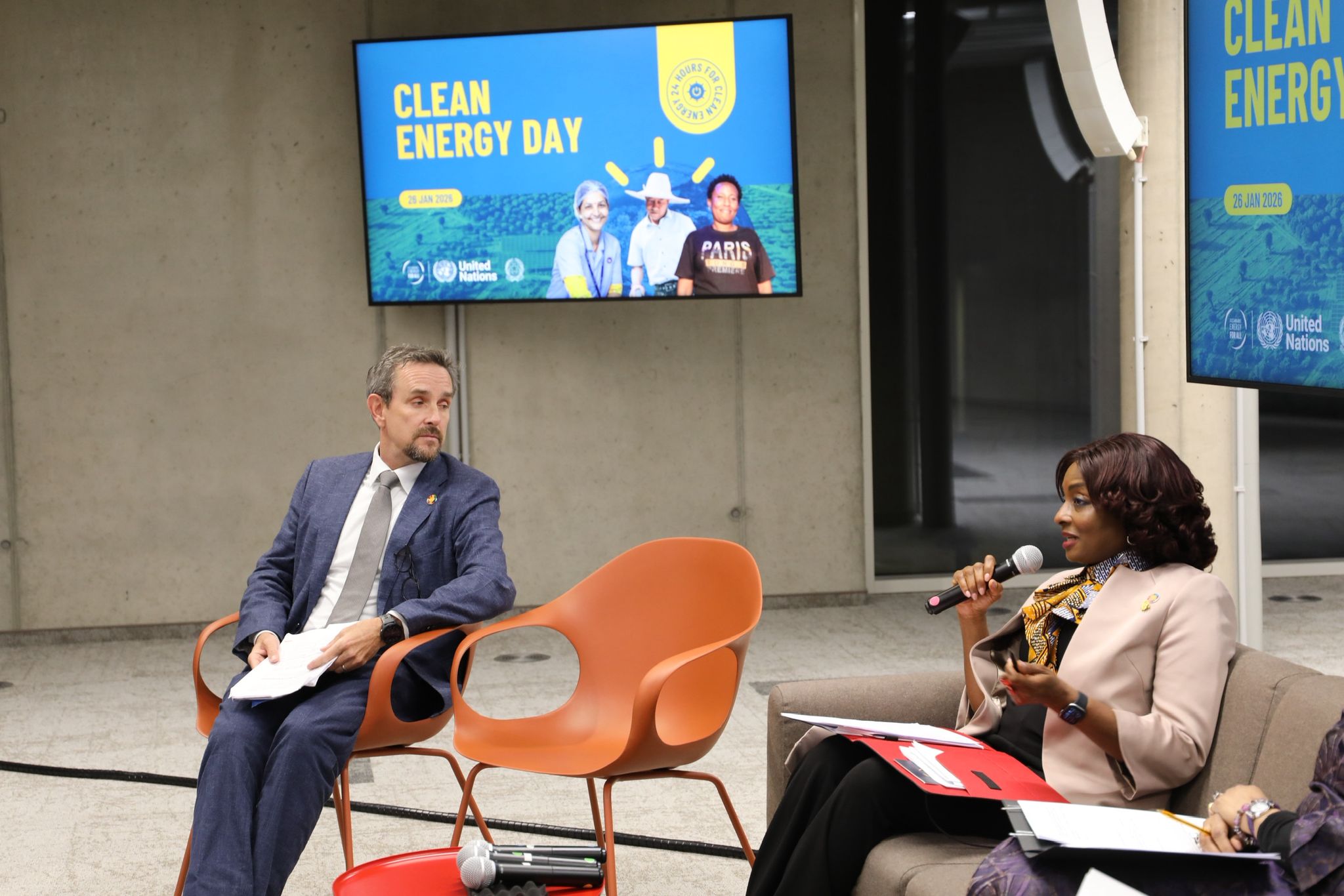
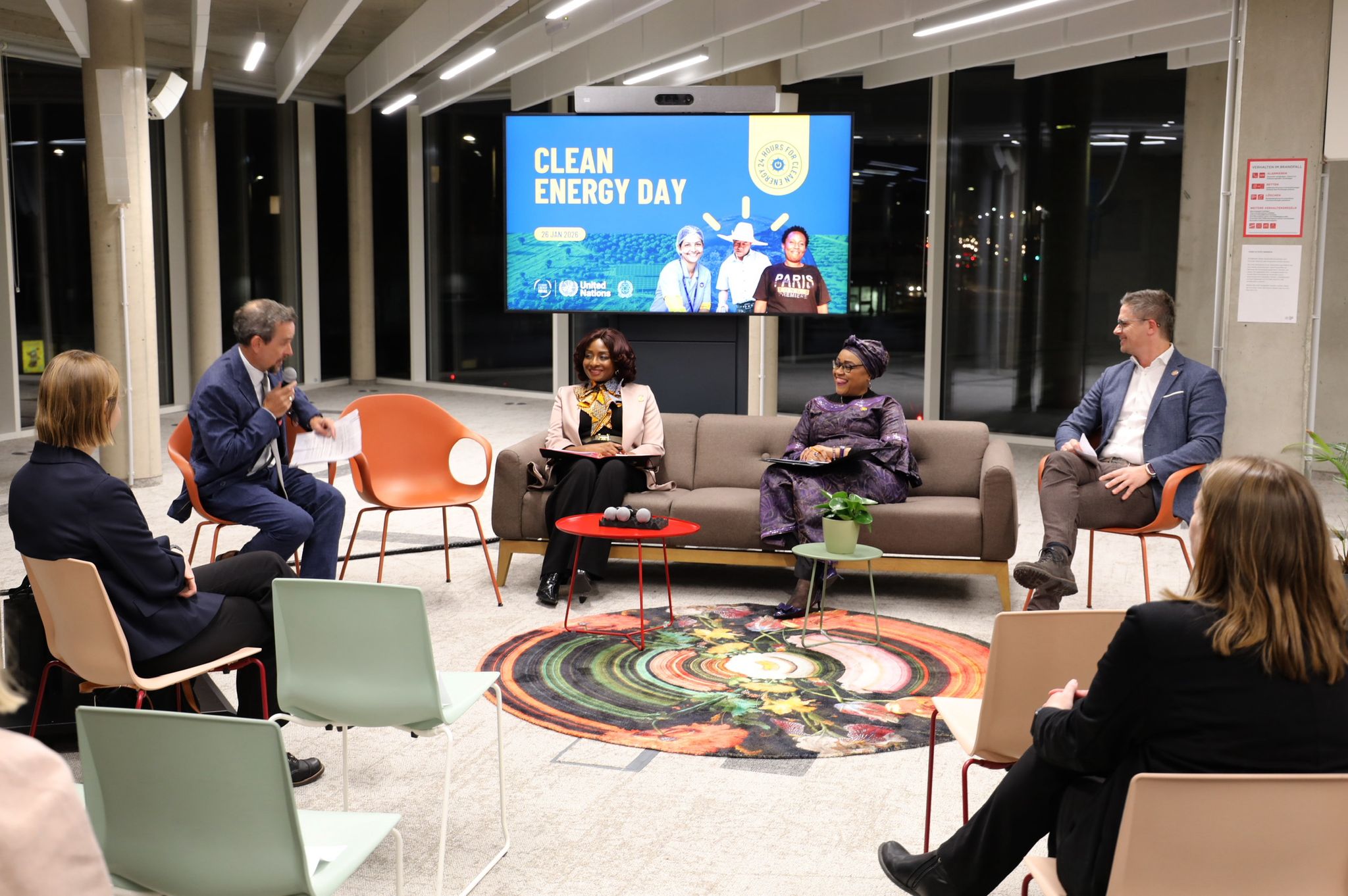
On 26th January 2026, International Day of Clean Energy, the Ambassador joined other panelists to recall the need for ‘clean cooking’. We have to transition from using solid biomass which contribute to forest depletion, greenhouse gas emission into the atmosphere, air pollution and negative impact on human health and resort to modern energy sources and technologies, she intimated.
While we rightly focus on megawatts for industry and transport, the Ambassador reminded participants that we must not forget the “meal-watts” that power the heart of every home and school: the kitchen.
With 2.1 billion people lacking access to clean cooking, we must address the biggest barriers to scaling solutions globally such as consumer awareness, habits & cultural practices, the upfront cost of efficient stoves and fuel which can be prohibitive for low-income households, despite long-term savings.
Most importantly, the severe underfunding of clean cooking initiatives, which receive less than 1% of global energy finance pose a threat to this critical but overlooked pillar of the energy transition effort.
This is a matter of shared humanity, shared health, and shared climate. Austrian expertise in biomass engineering, smart meters for pay-as-you-go LPG, and renewable biogas systems can be adapted for African contexts through joint ventures.
Our Governments must continue to integrate clean cooking into national energy and climate plans (NDCs). Donor governments & multilaterals must significantly increase grant and concessional finance, making it a dedicated, measurable pillar of climate finance.
The Private Sector must commit to innovation in appliance design, supply chain logistics, and consumer financing models.
To elevate clean cooking as a key pillar of global climate action, COP31, could advocate for clean cooking to be a formal, standalone work program with clear funding commitments.
As part of our School Feeding Programs, we need to integrate clean cooking into every nationally and internationally funded school meal program. A ‘Clean Kitchens for Healthy Minds’ initiative could be a powerful flagship.











 English
 Deutsch