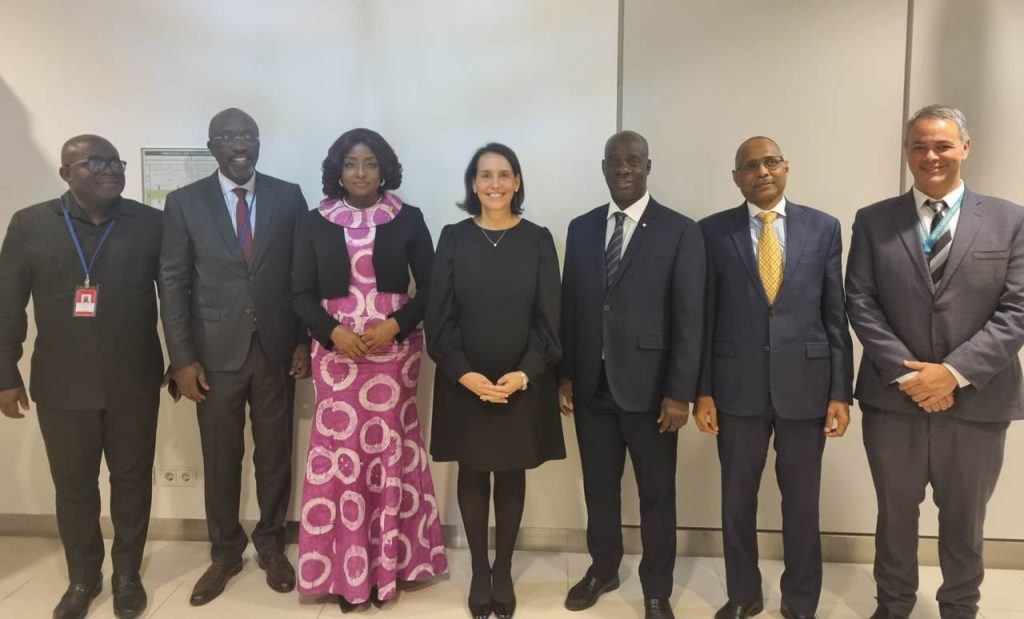
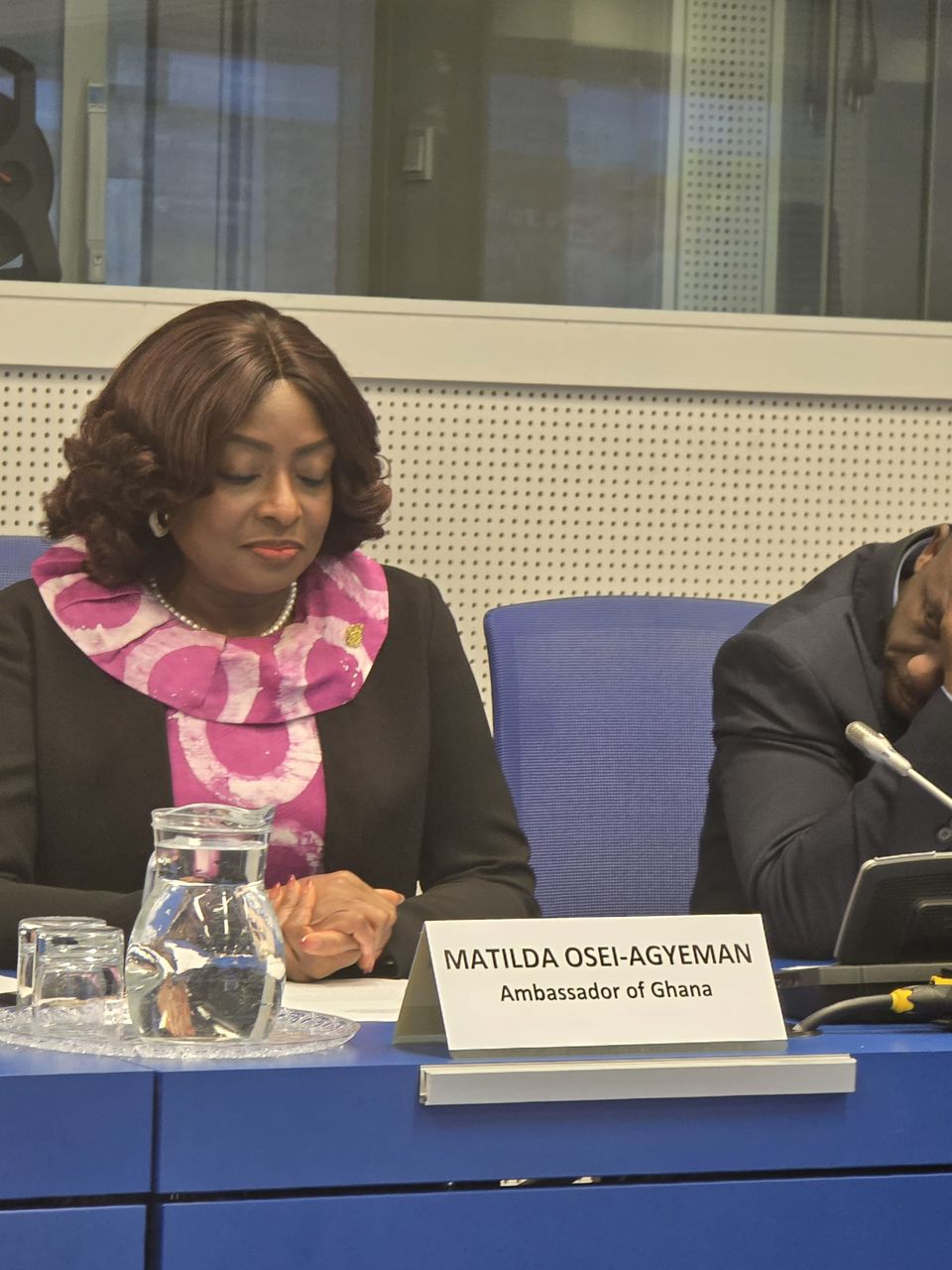
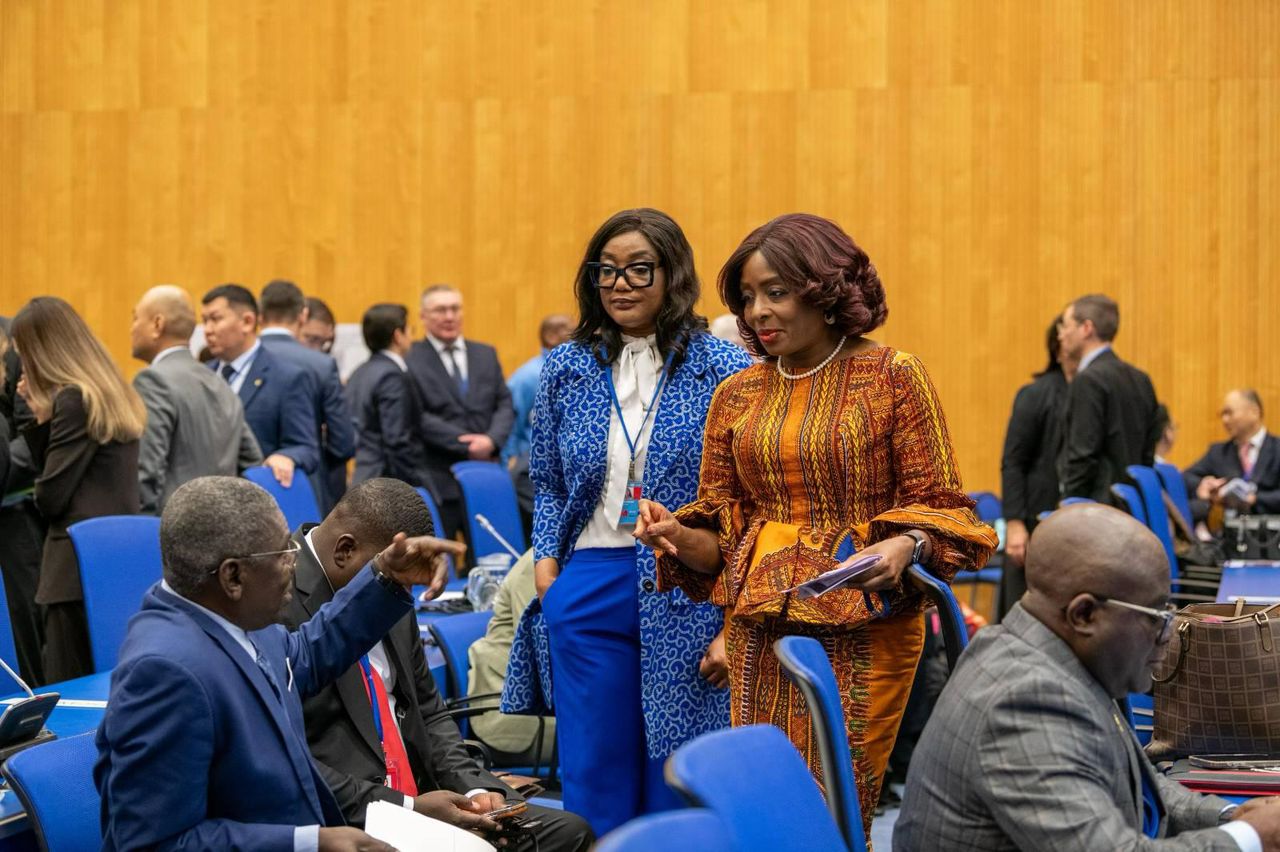
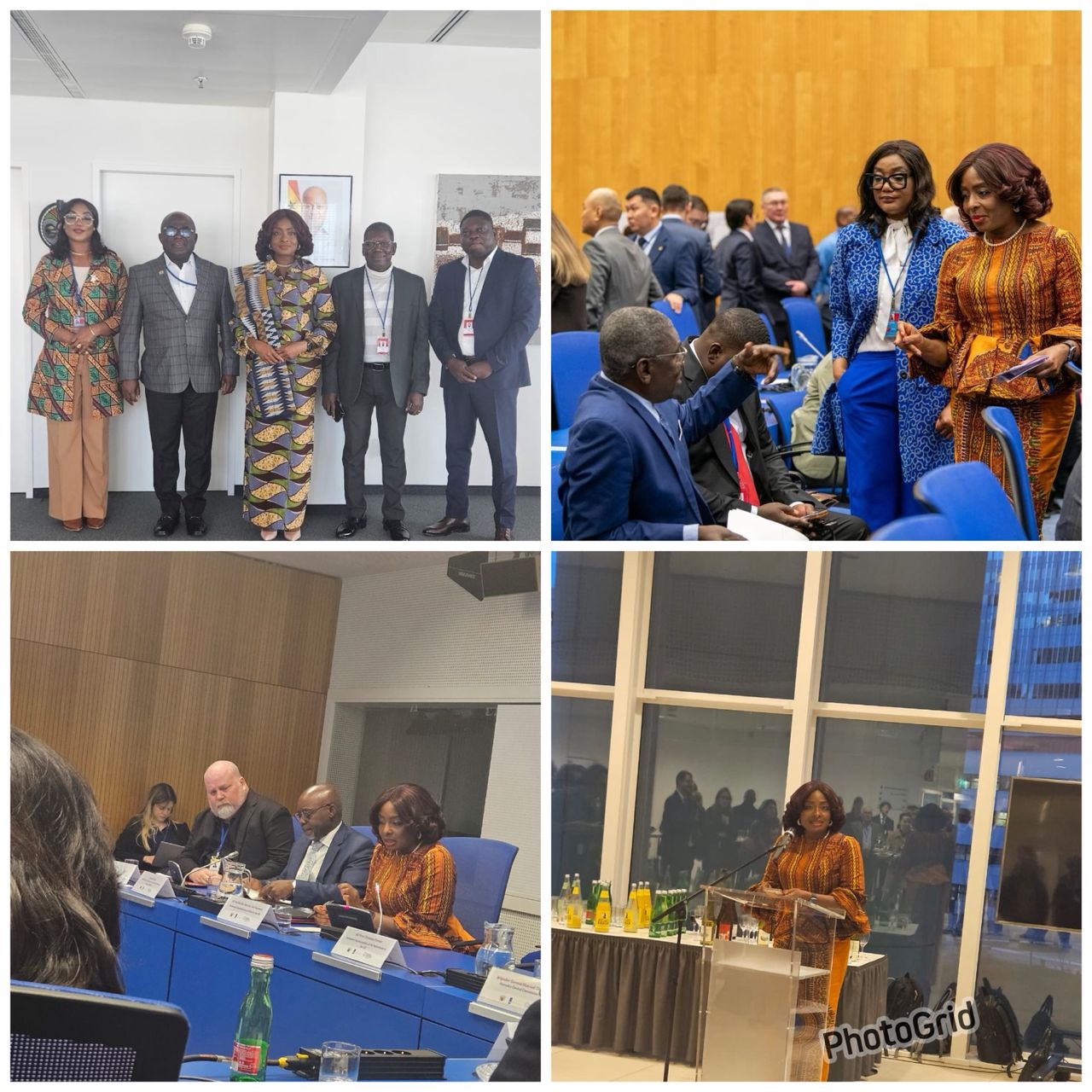
The Ambassador led Ghana’s delegation to the 69th Session of the Commission on Narcotic Drugs (CND), held in Vienna from 9th-13th March in Vienna. The Embassy was delighted to be joined by the Director-General of the Narcotics Control Commission of Ghana (NACOC) and his team, underscoring Ghana’s Commitment to tackling the World Drug problem through both enforcement and public health approaches.
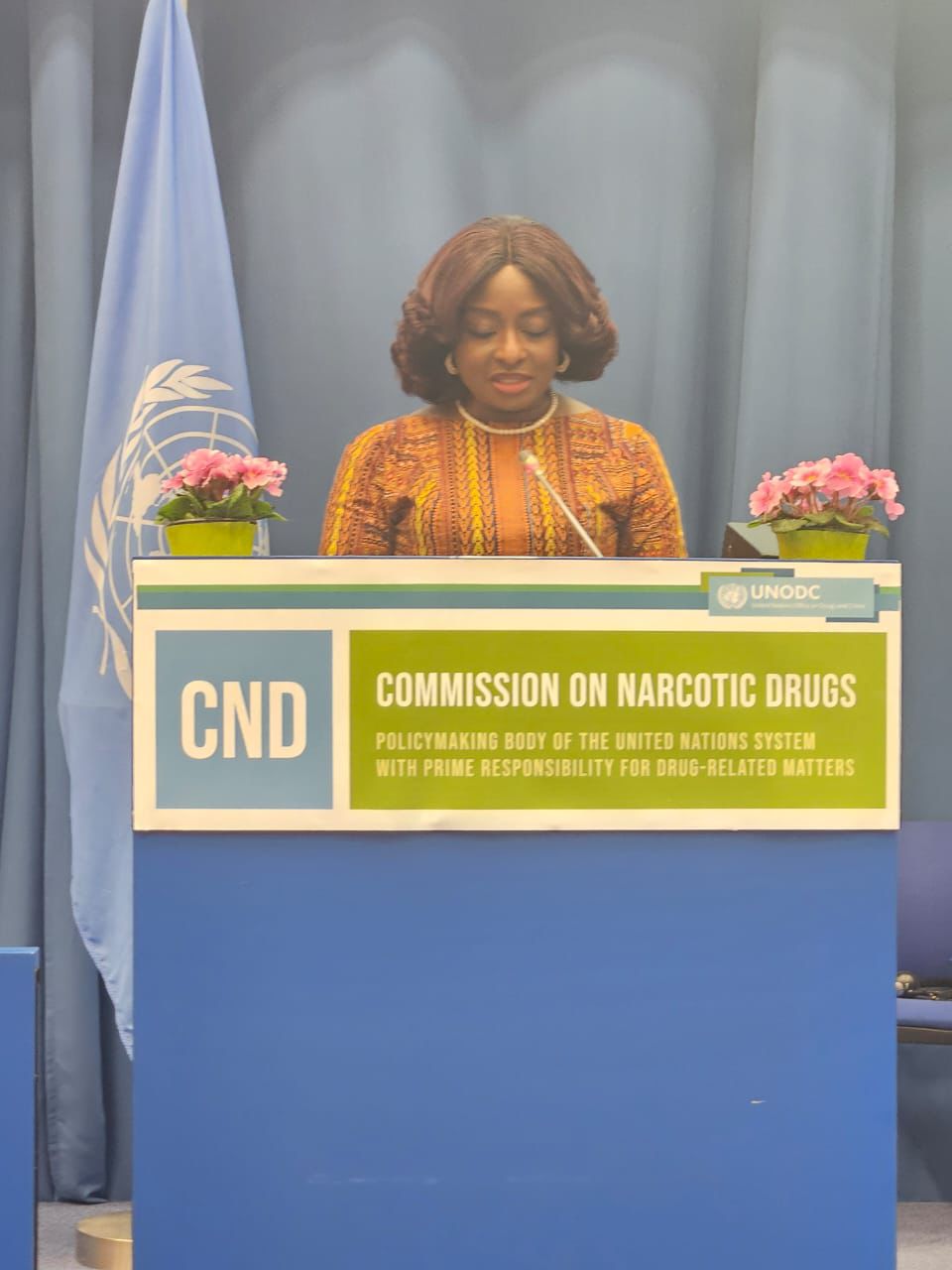
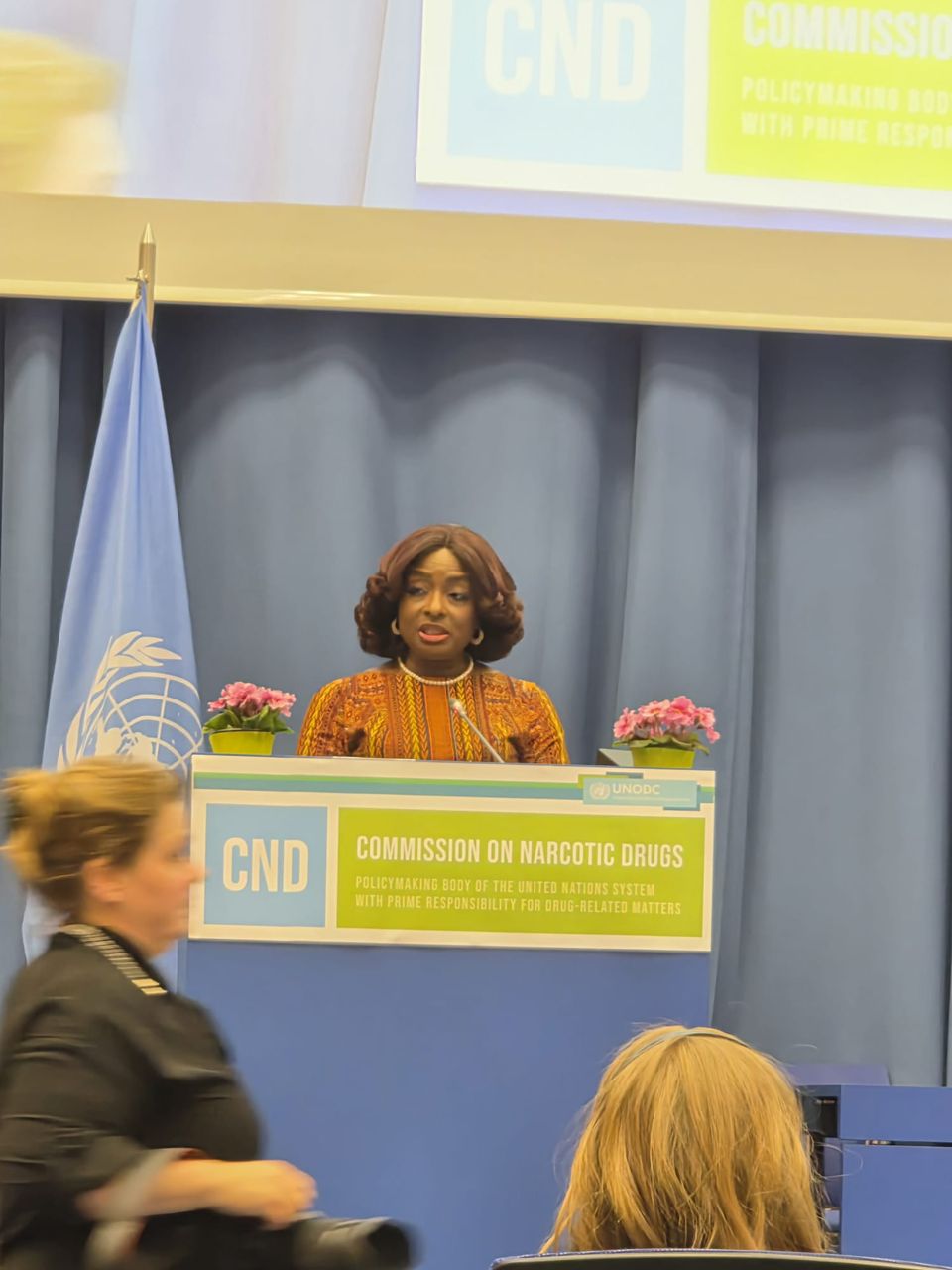
During the general debate, the Ambassador had the privilege of delivering Ghana’s national statement reaffirming our commitment to a holistic, balanced and evidence-based response to the World Drug problem, anchored in public health, human development, and coordinated multisectoral action. I further highlighted Ghana’s ongoing reforms under the Narcotics Control Commission Act, 2020 (Act 1019), as well as efforts to expand access to controlled medicines while preventing diversion and non-medical use.
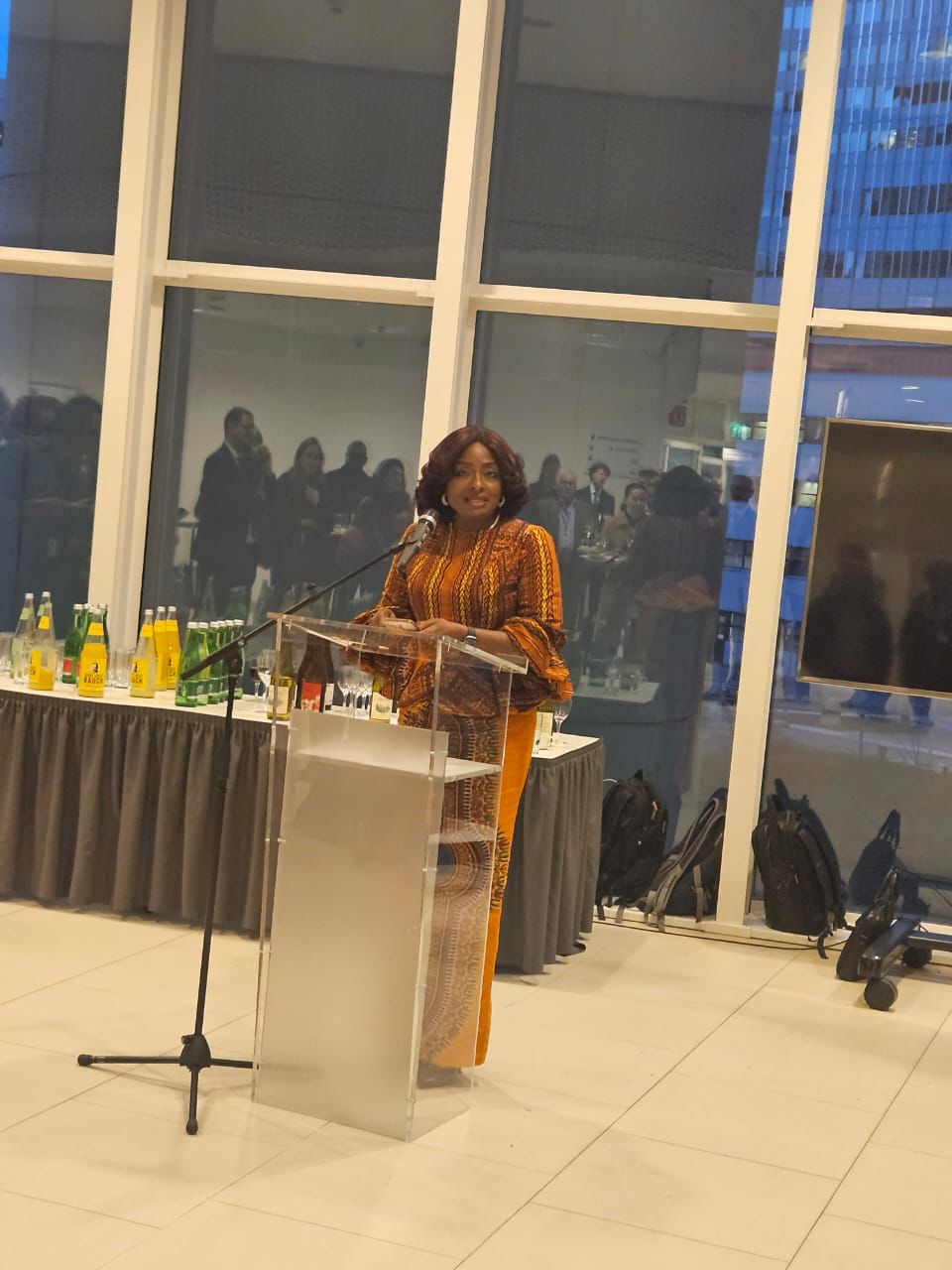
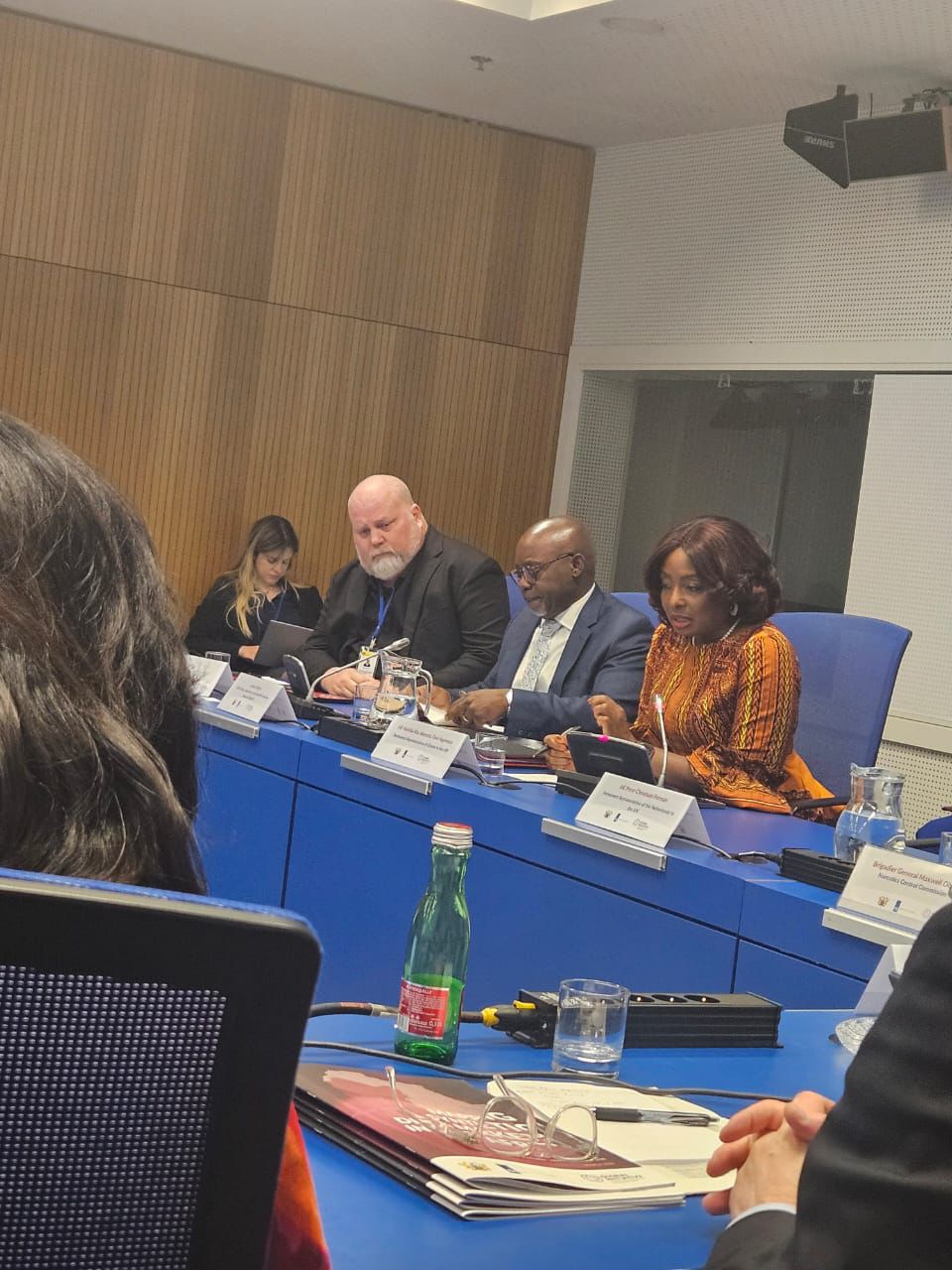
Additionally, the Ambassador had the honour of opening Ghana’s high-level event, “Taking Forward the Accra Call to Action on Drug Markets in West Africa. “ The session built on the momentum of November 2025 Accra dialogue convened by Ghana, the Netherlands and the Global Initiative Against Transnational Organized Crime (GI-TOC). The side event highlighted the rapidly evolving creatures posed by synthetic drugs and cocaine trafficking across West Africa, emphasizing the urgent need for strengthened cross-regional cooperation, evidence-based responses, and coordinated strategies to address these challenges.
The discussions, including key insights from emerging baseline studies on cocaine and synthetic drug markets, reinforced the importance of Collective vigilance, shared responsibility and sustained international partnerships between West Africa, Europe and beyond. Most grateful to all our cosponsors.
The Ambassador also delivered opening remarks at the International Association for Hospice and Palliative Care (IAHPC) side event, titled “New Tools to Help Member States Implement Their 2016 Outcome Document Commitments on Controlled Medicines Ensuring Access to Controlled Medicines for Palliative Care and Pain Relief,” marking 10 years since the UNGASS on the World Drug issue. This important milestone provided an opportunity to reflect on progress made and renew our focus on people-centred, health-based approaches ensuring access to essential medicines for palliative care.
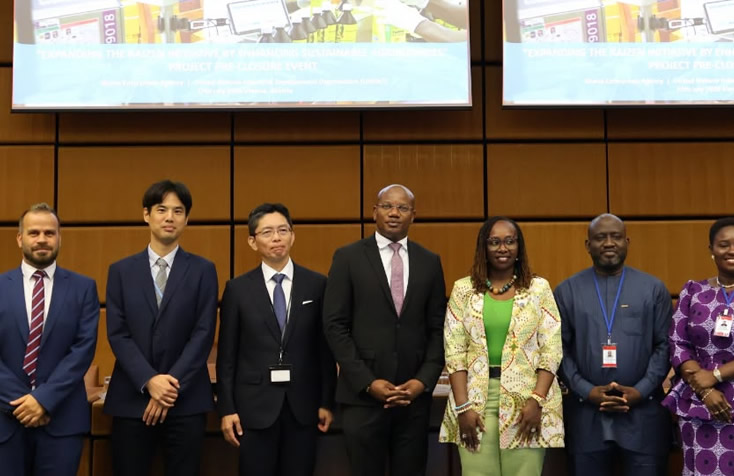
Opening remarks were further delivered by the Ambassador at the side event on “Supporting Africa’s Efforts to Generate High Quality Drug Data for Informed Regional and Global Responses”, which highlighted the need to strengthen drug data collection, analysis, and early warning systems across the continent. Discussions focused on bridging gaps in national reporting, forensic capacity, and regional data-sharing to support evidence-based policies. I noted Ghana’s commitment to enhancing national capabilities and engaging with partners to ensure reliable, actionable drug data informs both operational and policy responses.


 English
 Deutsch